Ngorongoro Conservation Area

Best Time to Visit

Dry Season (June to October)

Best For

Big 5

Area

8,292 km2

The Ngorongoro Conservation Area is where nature decided to go all out. Imagine standing on the rim of a massive volcanic crater, gazing down at a lush green world packed with wildlife—lions, elephants, rhinos, and flamingos—all thriving in one perfectly balanced ecosystem.

This isn’t just another safari stop. It’s a place that feels almost unreal, like nature pressed pause and said, “Let’s make this perfect.”

For travelers seeking breathtaking scenery, dense wildlife, and deep cultural roots, Ngorongoro delivers—big time.

Safari Itineraries

Where Is the Ngorongoro Conservation Area Located?

The Ngorongoro Conservation Area (NCA) lies in northern Tanzania, just south of Serengeti National Park. Covering approximately 8,300 square kilometers, it’s a UNESCO World Heritage Site and one of the most unique conservation areas on Earth.

What sets it apart?
Wildlife conservation, tourism, and Maasai communities coexist here—something you won’t find in most national parks.

Why the Ngorongoro Conservation Area Is So Special

Unlike traditional national parks, Ngorongoro is a multi-use conservation area. That means wildlife roams freely alongside pastoral communities, preserving a way of life that’s centuries old.

Here’s why it stands out:

  • Home to the world-famous Ngorongoro Crater

  • One of the highest wildlife densities in Africa

  • Strong conservation success for endangered species

  • Stunning landscapes—from highlands to grasslands

  • Rich Maasai culture and history

It’s not just about animals—it’s about balance.


The Ngorongoro Crater: The Star Attraction

Let’s be honest—the Ngorongoro Crater steals the show.

Formed over 2 million years ago after a massive volcanic eruption, the crater is the largest intact volcanic caldera in the world. Its floor spans about 260 square kilometers, creating a natural enclosure for wildlife.

Why the Crater Is Incredible

  • Year-round water sources

  • Minimal animal migration

  • Easy wildlife spotting

  • Jaw-dropping views from the rim

Once animals descend into the crater, many never leave—making game viewing consistently excellent.


Wildlife in the Ngorongoro Conservation Area

The Ngorongoro Conservation Area is a wildlife powerhouse.

The Big Five—All in One Place

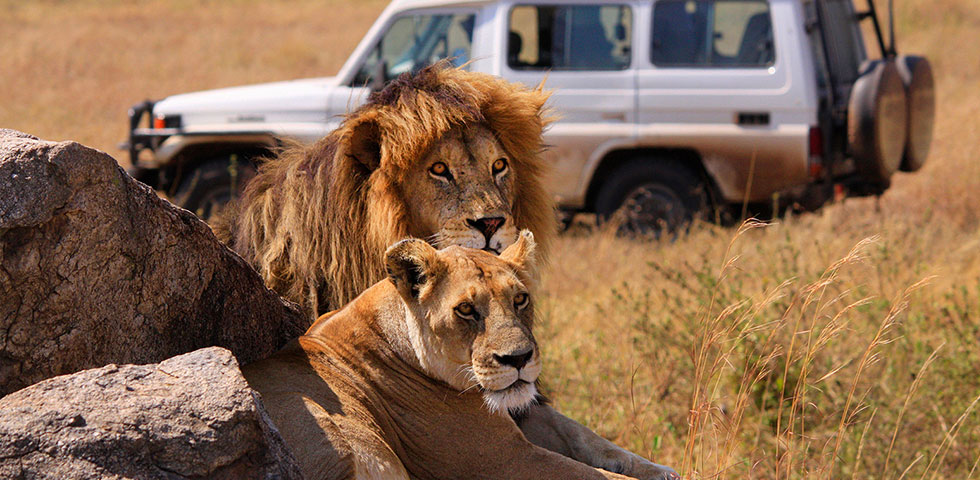
  • 🦁 Lions (including strong prides)

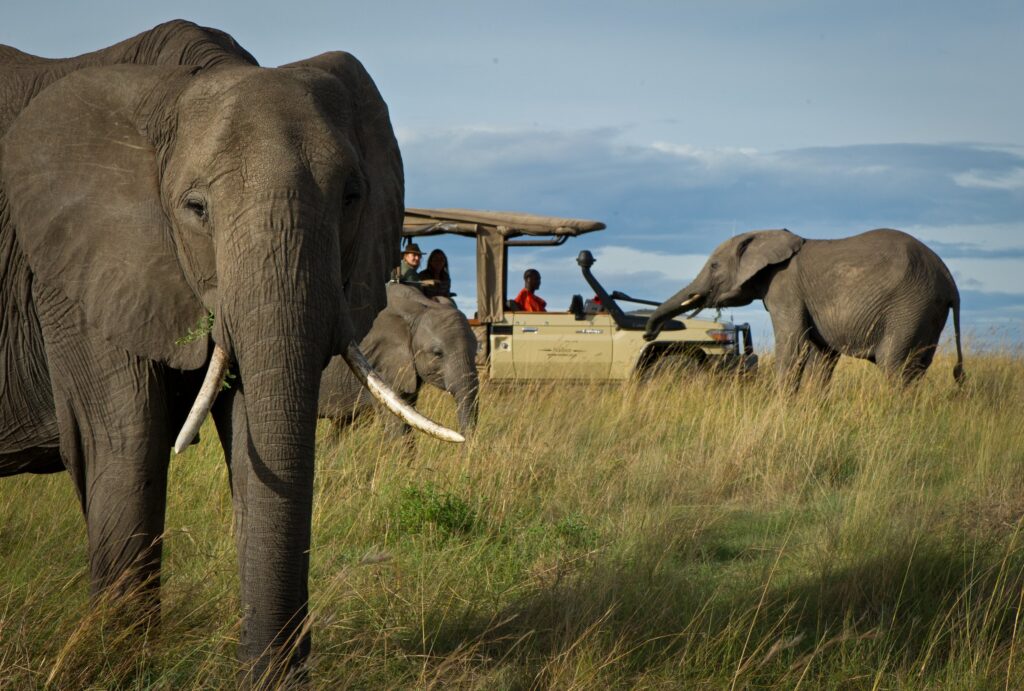
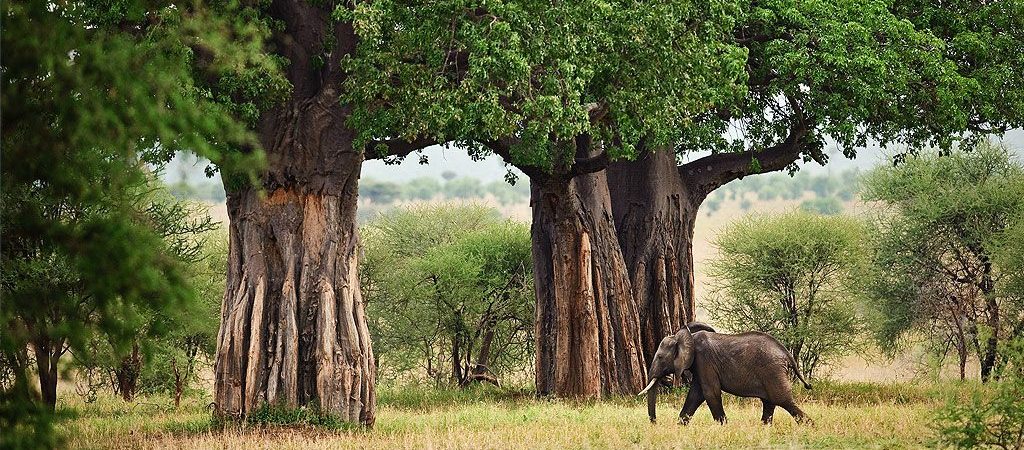
  • 🐘 Elephants with massive tusks

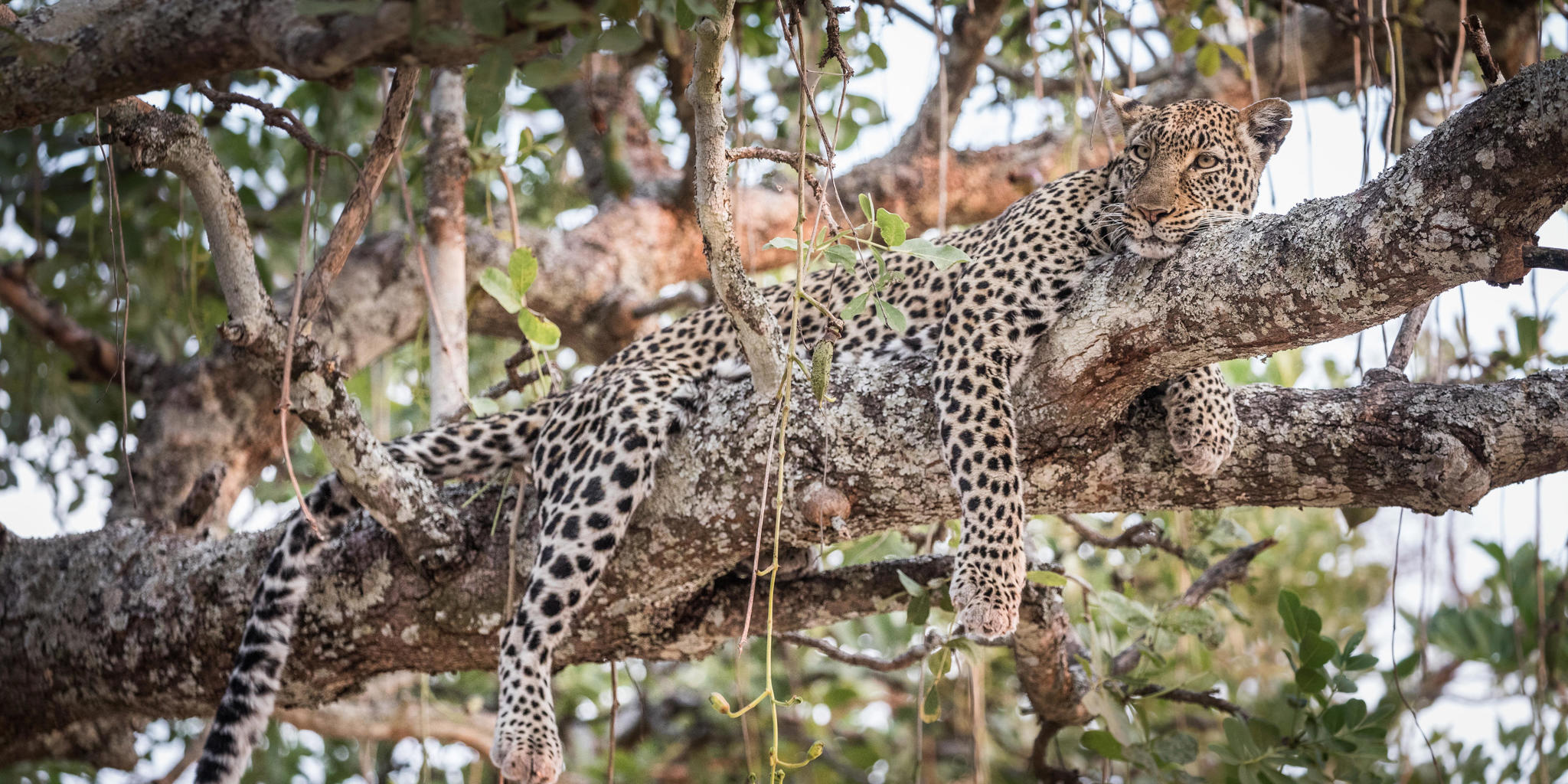
  • 🐆 Leopards

  • 🦏 Endangered black rhinos

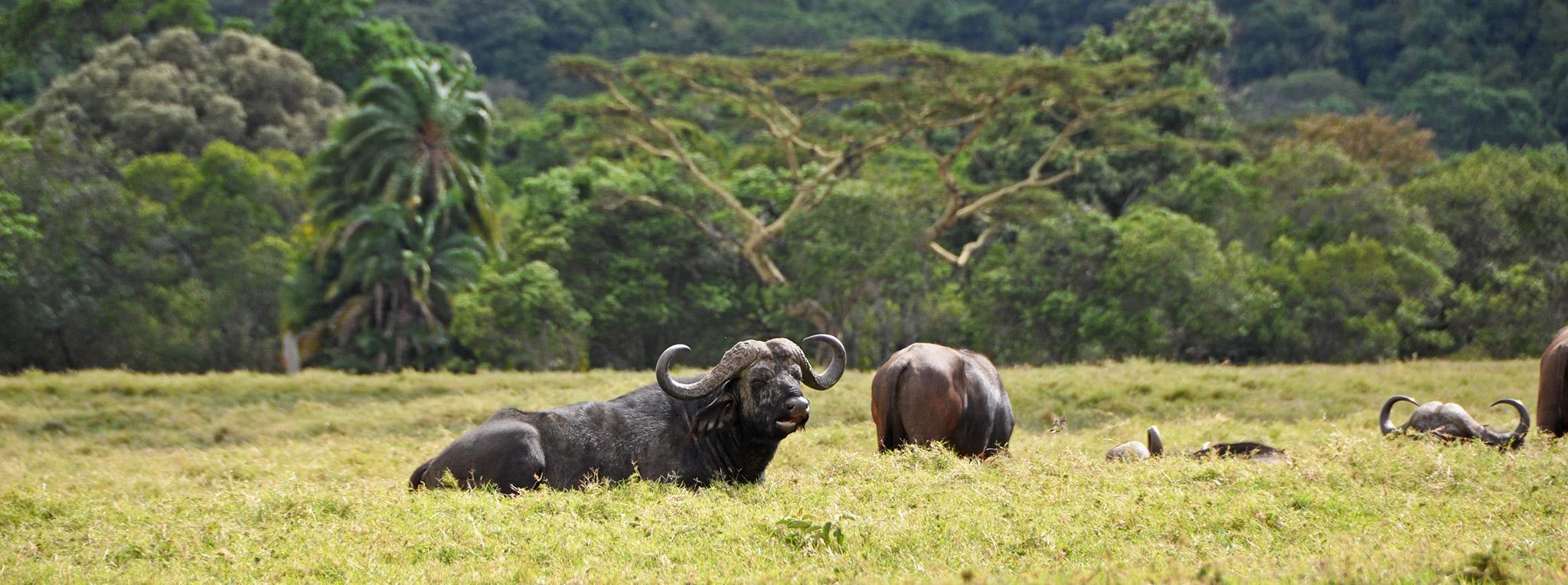
  • 🐃 Buffalo

Other Wildlife You’ll See

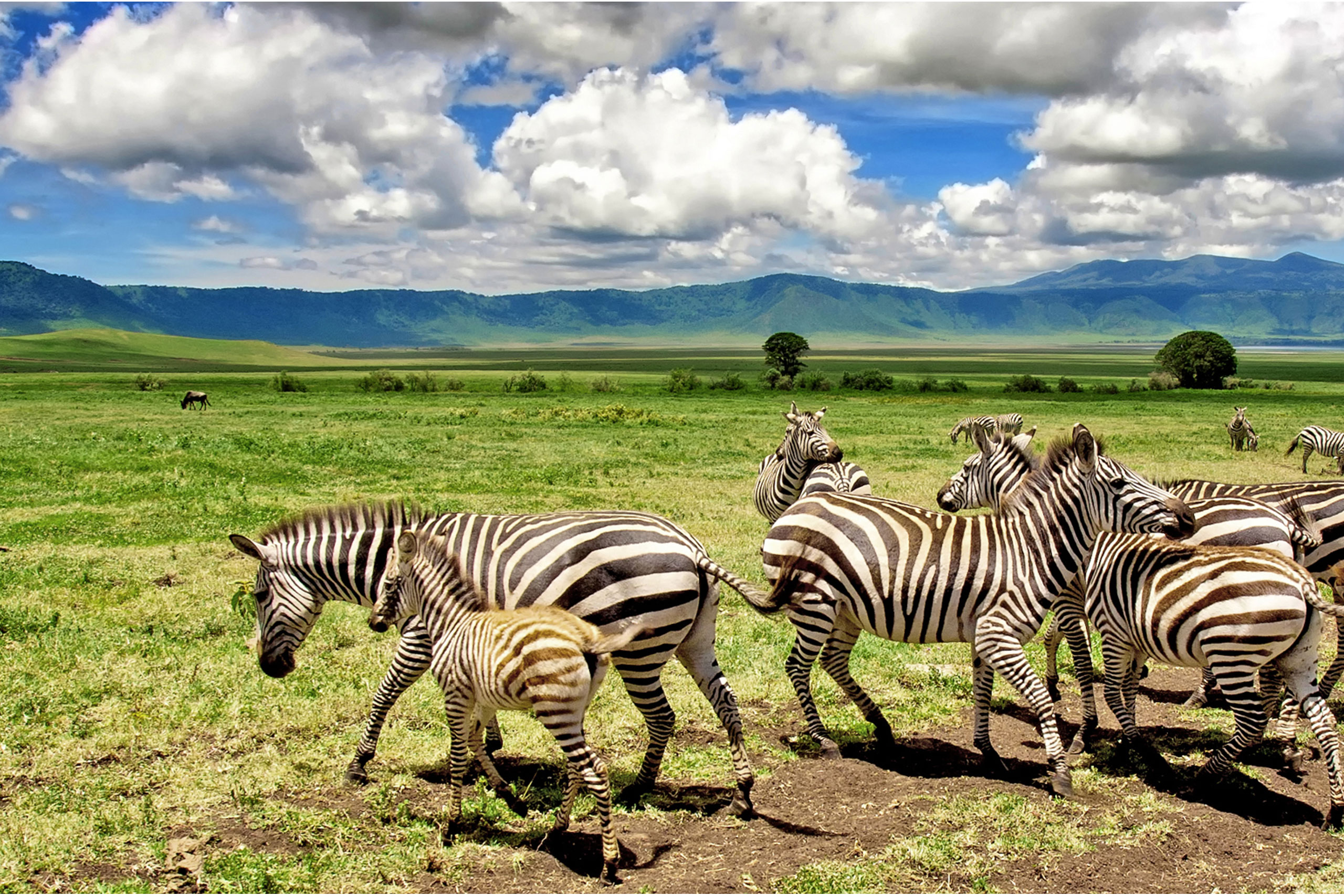
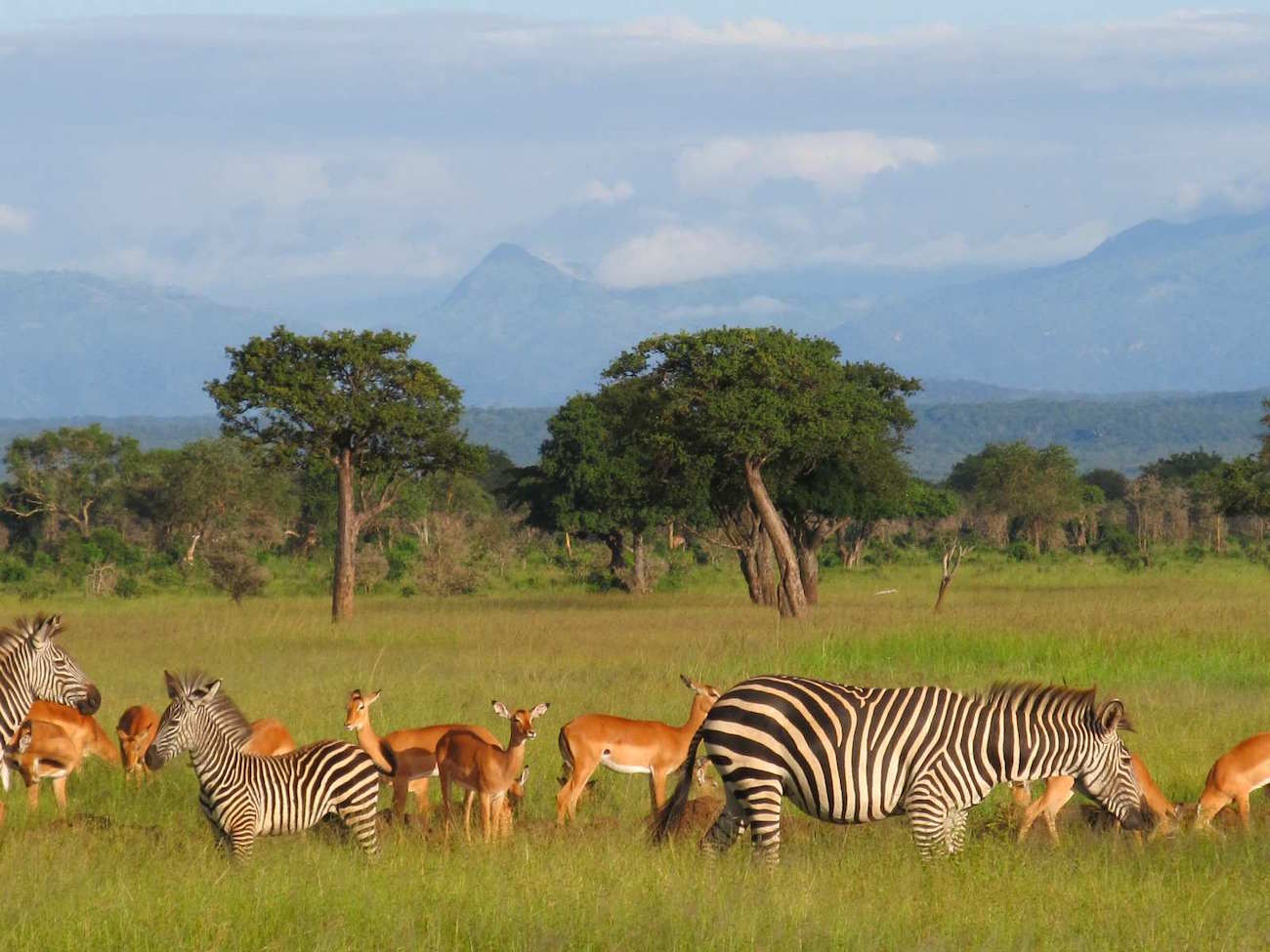
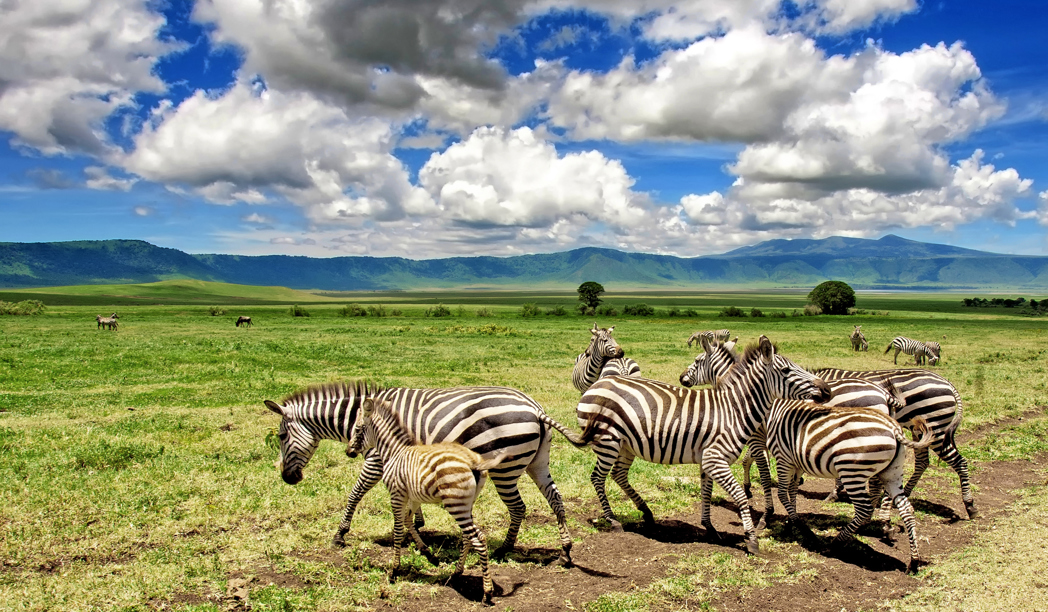
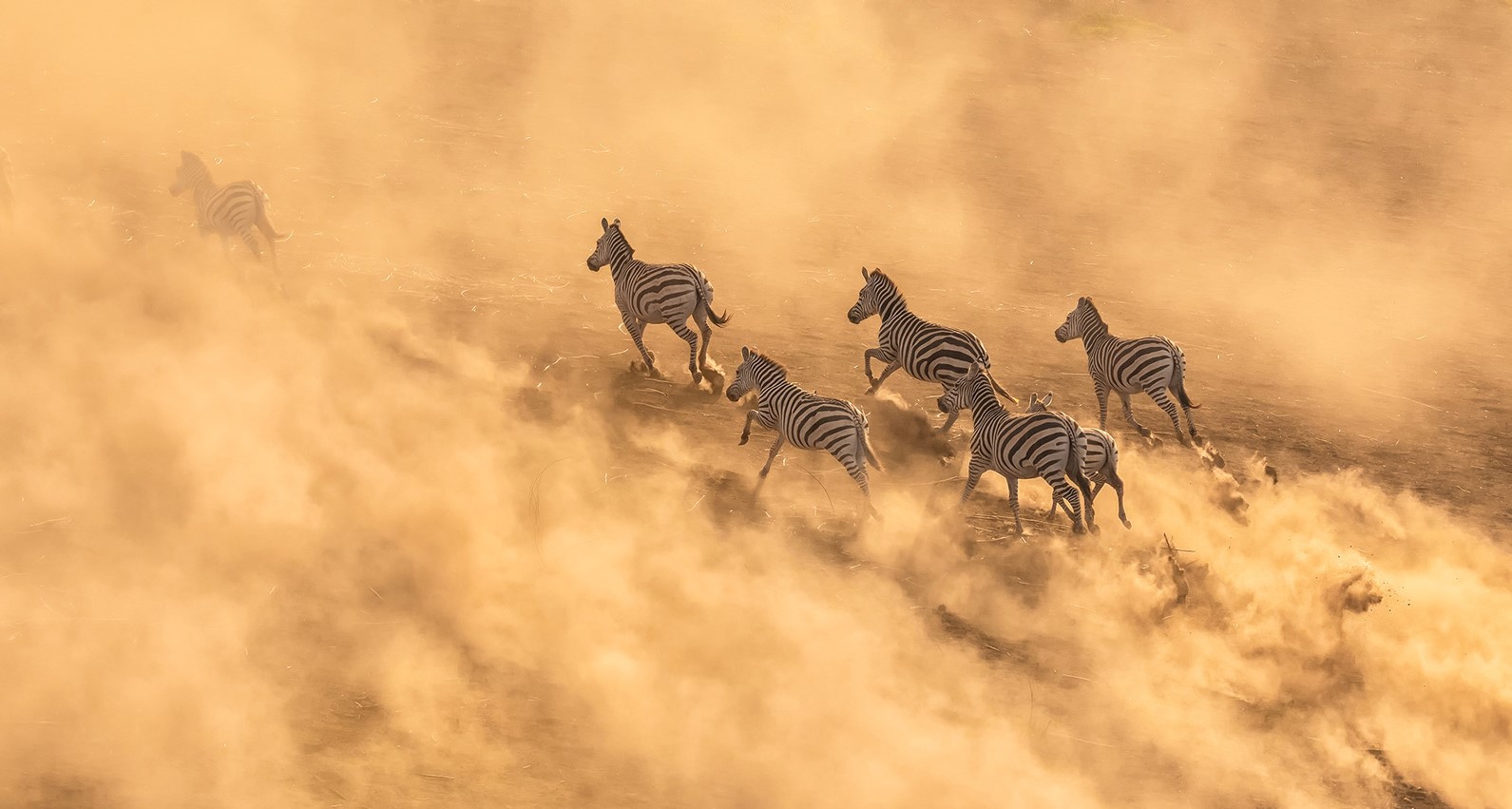
  • Zebras and wildebeest

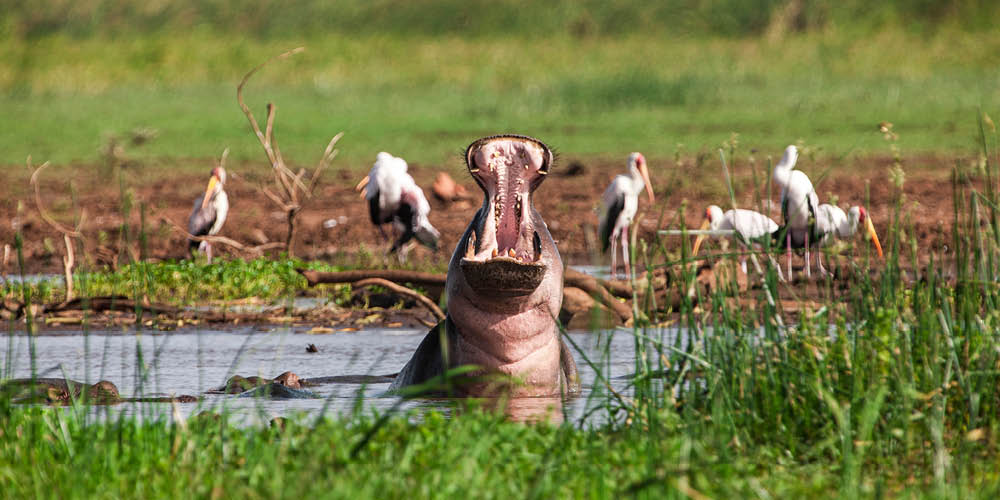
  • Hippos and crocodiles

  • Hyenas and jackals

  • Flamingos around Lake Magadi

  • Over 500 bird species

Best Time to Visit Serengeti National Park

One of the best things about Serengeti National Park is that there’s no wrong time to visit. Still, different seasons offer different experiences.

Dry Season (June to October)

  • Best overall wildlife viewing

  • Easier to spot animals near water

  • Peak season with higher demand

Green Season (November to May)

  • Fewer tourists

  • Lush, green landscapes

  • Baby animals and dramatic skies

  • Excellent birdwatching

Safari Experiences in Serengeti National Park

Not all safaris are created equal—and Serengeti gives you options.

Game Drive Safaris

Classic 4×4 safaris with expert guides who know exactly where the action is.

Hot Air Balloon Safaris

Float silently above the plains at sunrise, followed by a bush breakfast. Unforgettable? Absolutely.

Photographic Safaris

Perfect for shutterbugs chasing that once-in-a-lifetime shot.

Private Guided Safaris

Ideal for couples, families, or travelers wanting a personalized experience.