Serengeti National Park

Best Time to Visit

Dry Season (June to October)

Best For

Greate Wildebeest Migration

Area

14,763 km2

Serengeti National Park isn’t just a place—it’s a feeling. The moment you see the golden grasslands stretch endlessly toward the horizon, something clicks. This is Africa, untamed and unapologetic. A safari in Serengeti National Park puts you right in the middle of nature’s grandest performance, where life, survival, and beauty unfold in real time.

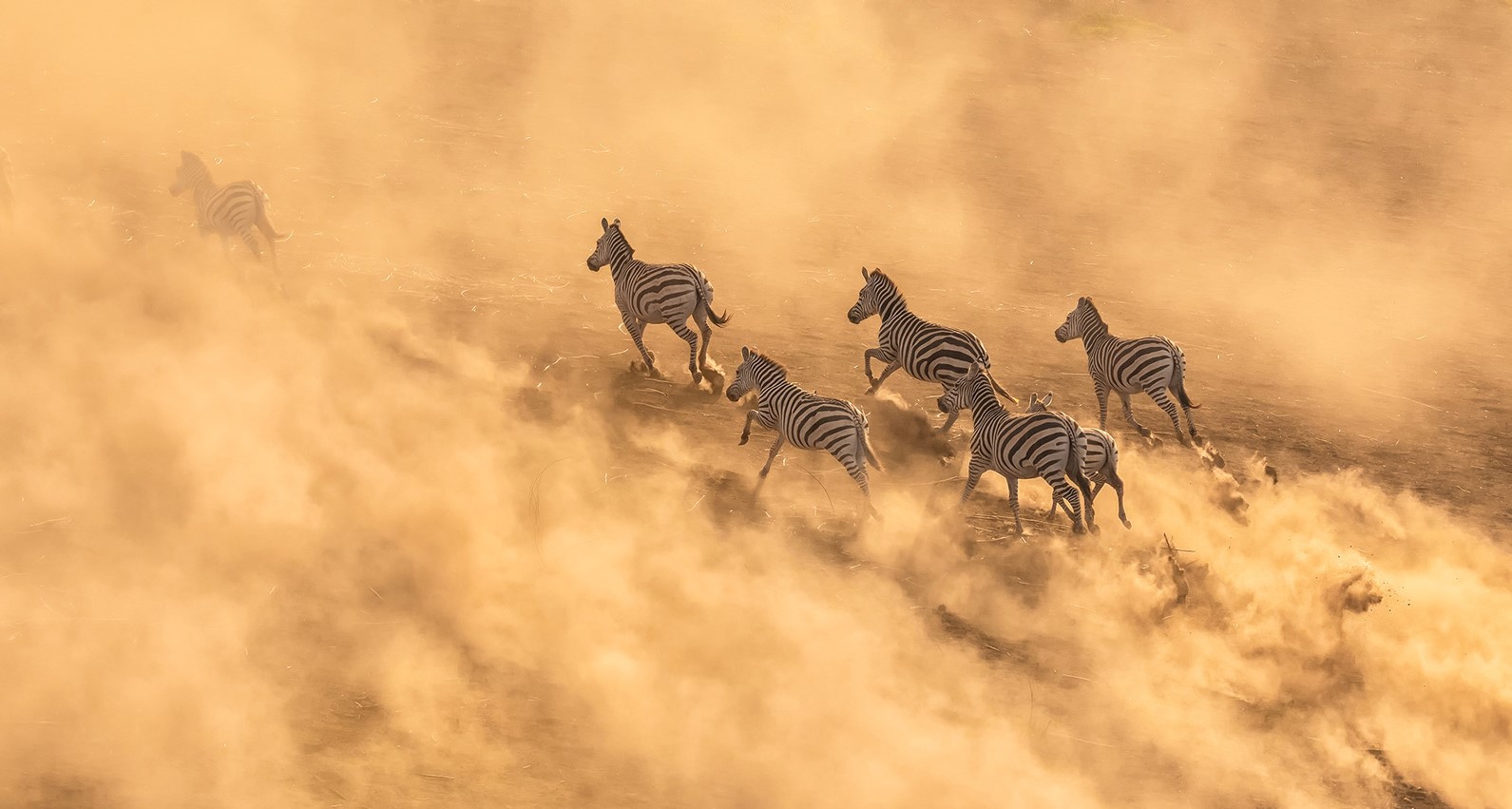
From roaring lions at dawn to massive wildebeest herds kicking up dust at sunset, the Serengeti delivers jaw-dropping moments again and again. No filters. No fences. Just pure wilderness.

If you’re dreaming of an authentic African safari, this legendary park belongs at the very top of your list.

Safari Itineraries

Where Is Serengeti National Park Located?

Serengeti National Park lies in northern Tanzania, bordering Kenya’s Maasai Mara. Covering nearly 15,000 square kilometers, it’s one of the largest and oldest protected ecosystems in Africa.

The name Serengeti comes from the Maasai word “Siringet,” meaning “the place where the land runs forever.” And honestly? That description still fits like a glove.

Why Serengeti National Park Is World-Famous

Plenty of parks offer wildlife, but Serengeti National Park operates on a whole different level.

Here’s why travelers—and wildlife experts—can’t stop talking about it:

  • Home to the Great Wildebeest Migration

  • Incredible year-round wildlife density

  • One of the best places to see big cats in action

  • Vast, untouched landscapes with minimal human interference

  • Featured in countless documentaries and nature films

The Great Wildebeest Migration Explained 

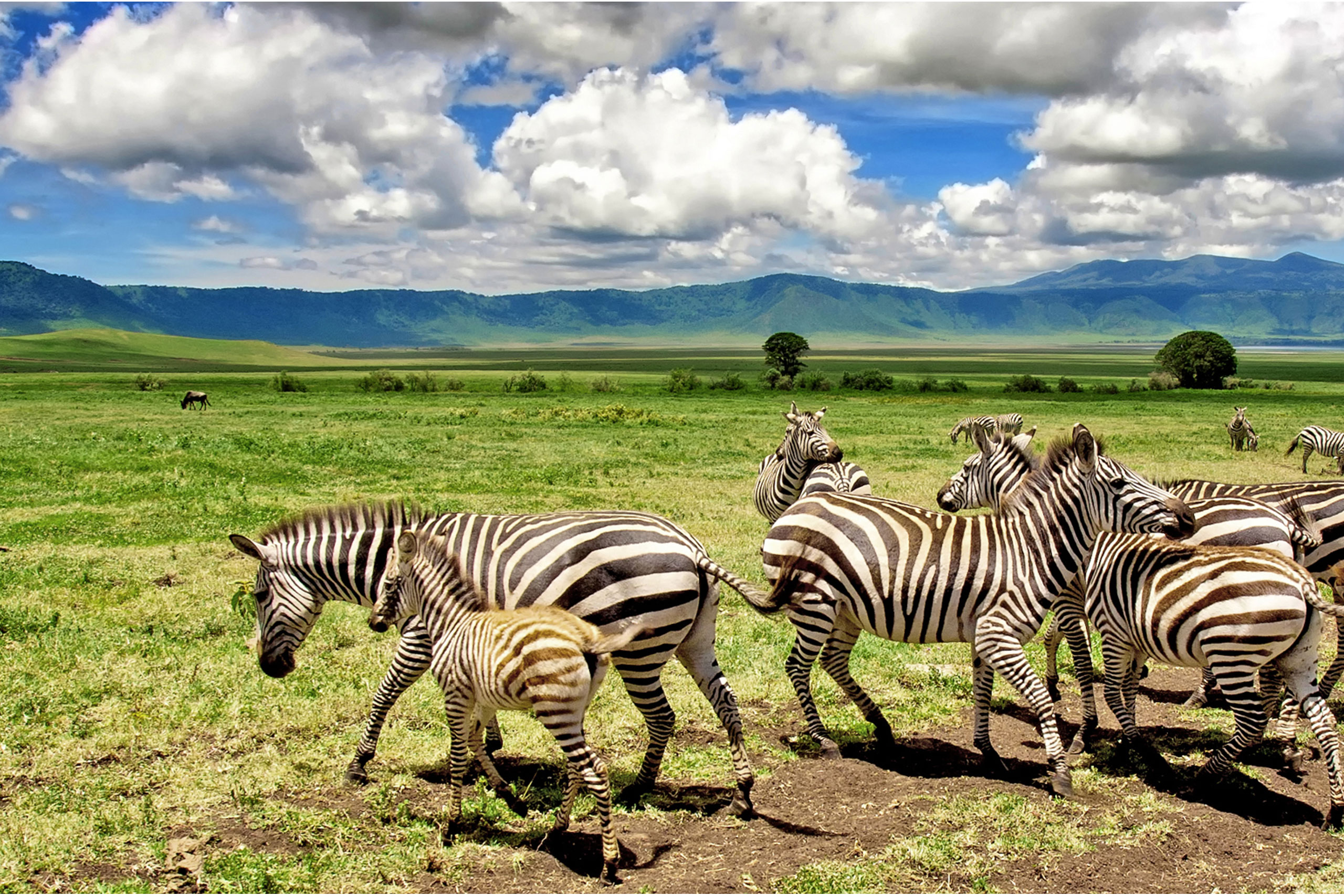
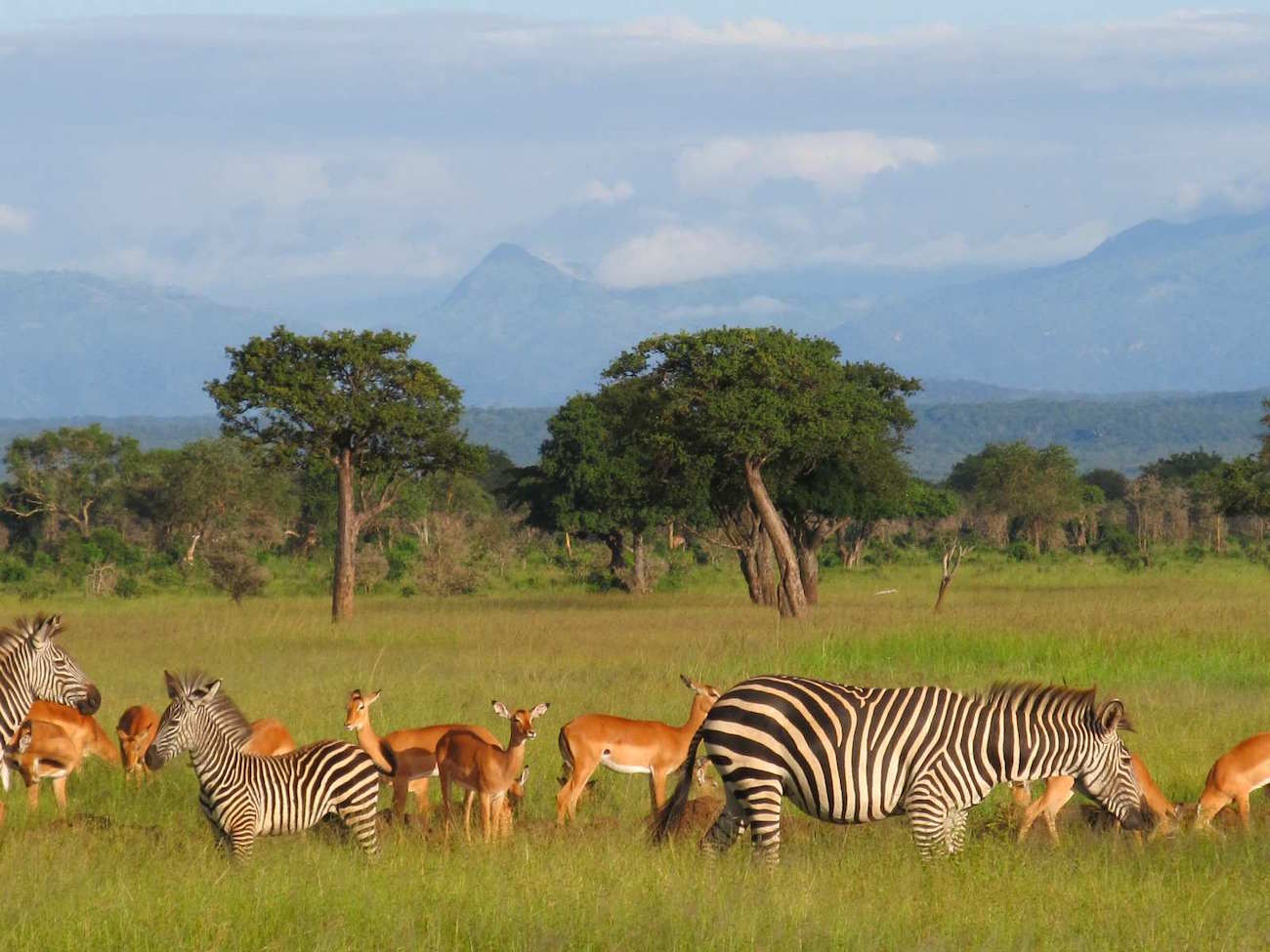
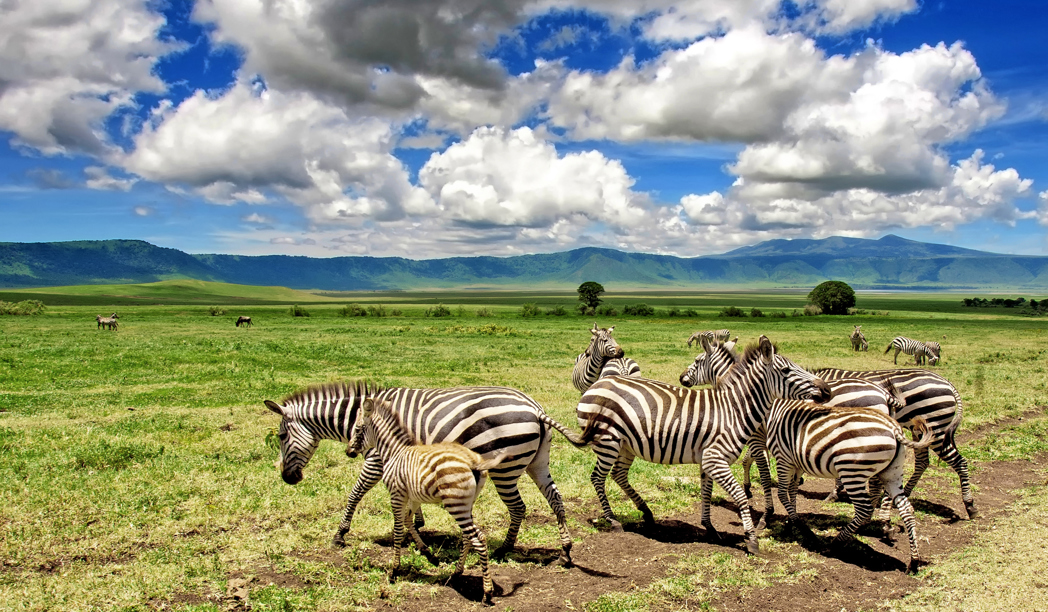
The Great Migration is the Serengeti’s crown jewel and one of the most spectacular wildlife events on Earth. Each year, over 2 million wildebeest, zebras, and gazelles move in a continuous loop between Tanzania’s Serengeti and Kenya’s Maasai Mara.

Why Do They Migrate?

Food and water. That’s it. Nature at its most honest.

Migration Highlights by Season

  • January–March: Calving season in southern Serengeti

  • April–June: Herds move north through central Serengeti

  • July–September: Dramatic river crossings

  • October–December: Return south as rains begin

Every phase offers something special—no bad timing, just different magic.

Wildlife You’ll See in Serengeti National Park

A safari in Serengeti National Park is like stepping into a live wildlife documentary. The diversity here is staggering.

The Big Five

  • 🦁 Lion

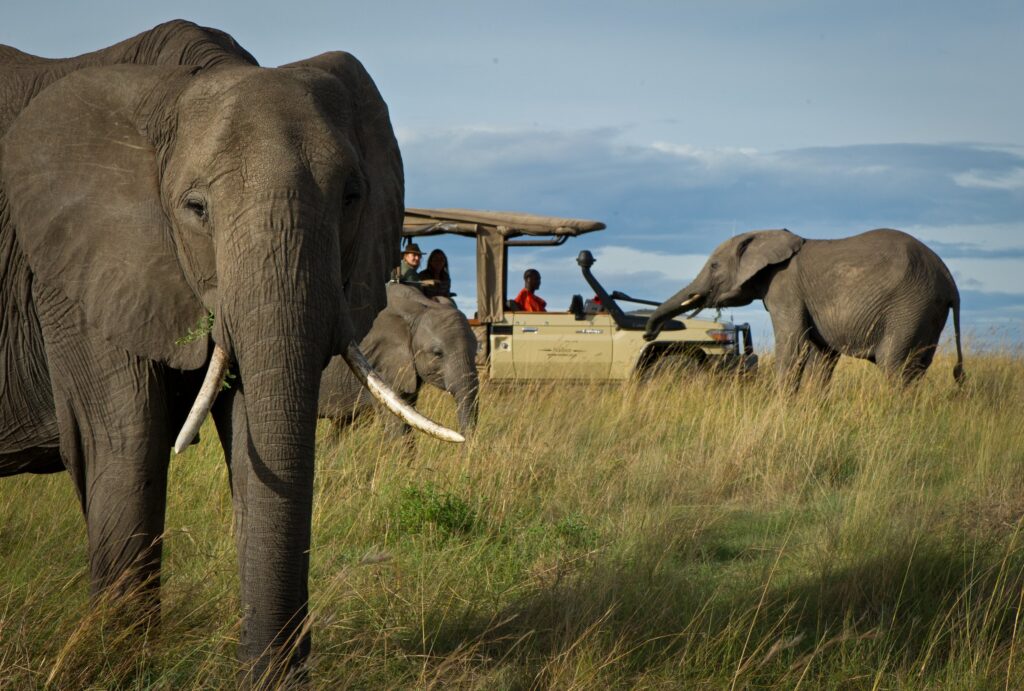
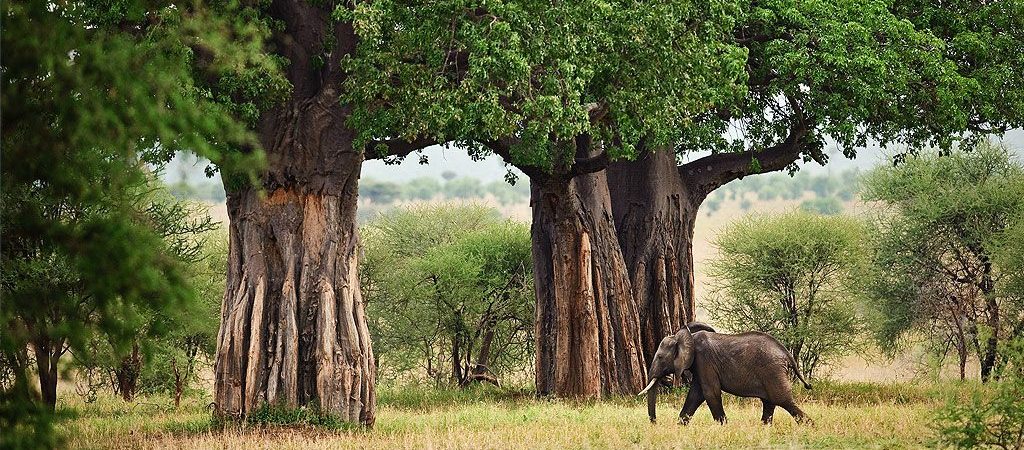
  • 🐘 Elephant

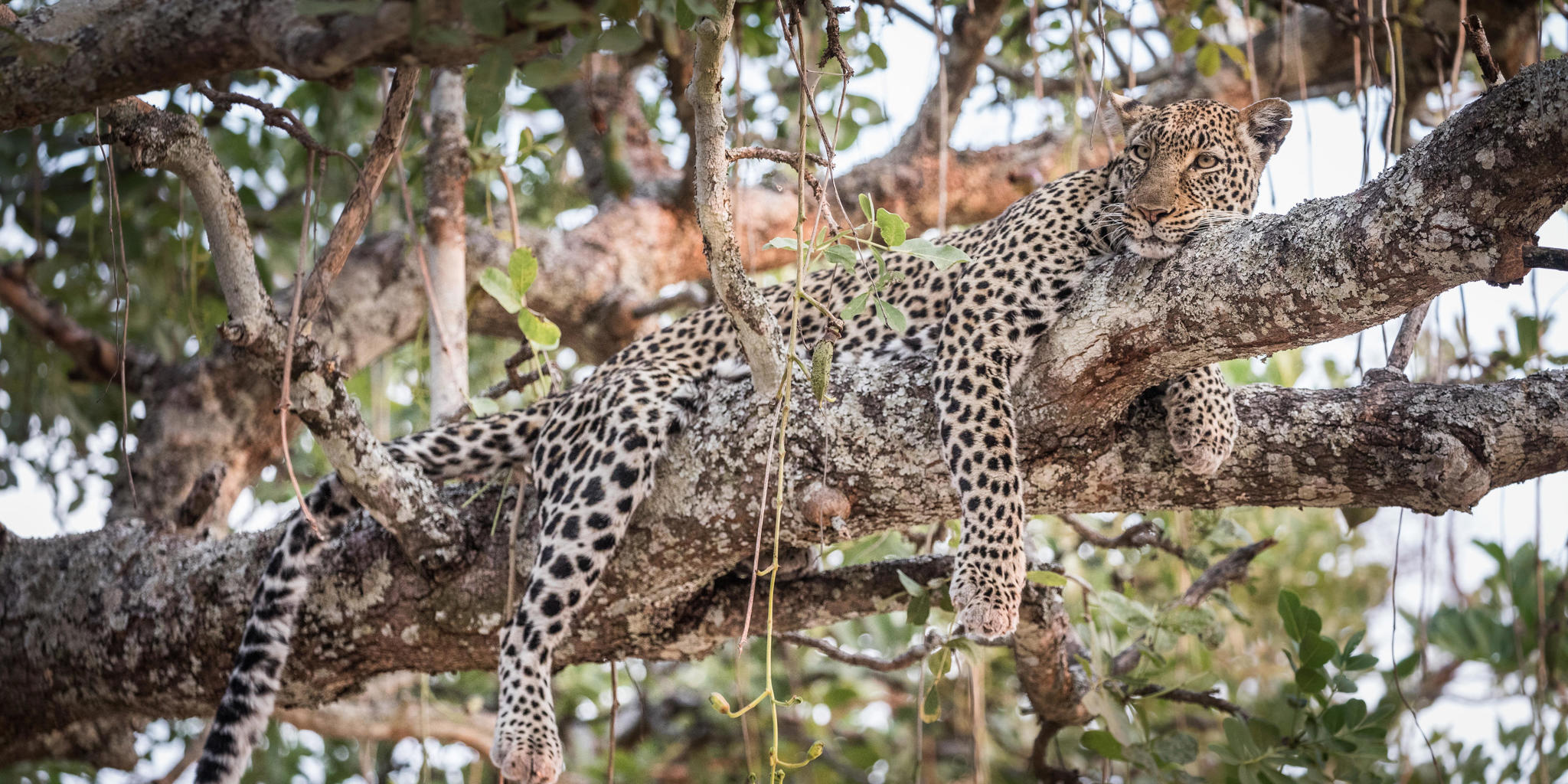
  • 🐆 Leopard

  • 🦏 Rhinoceros

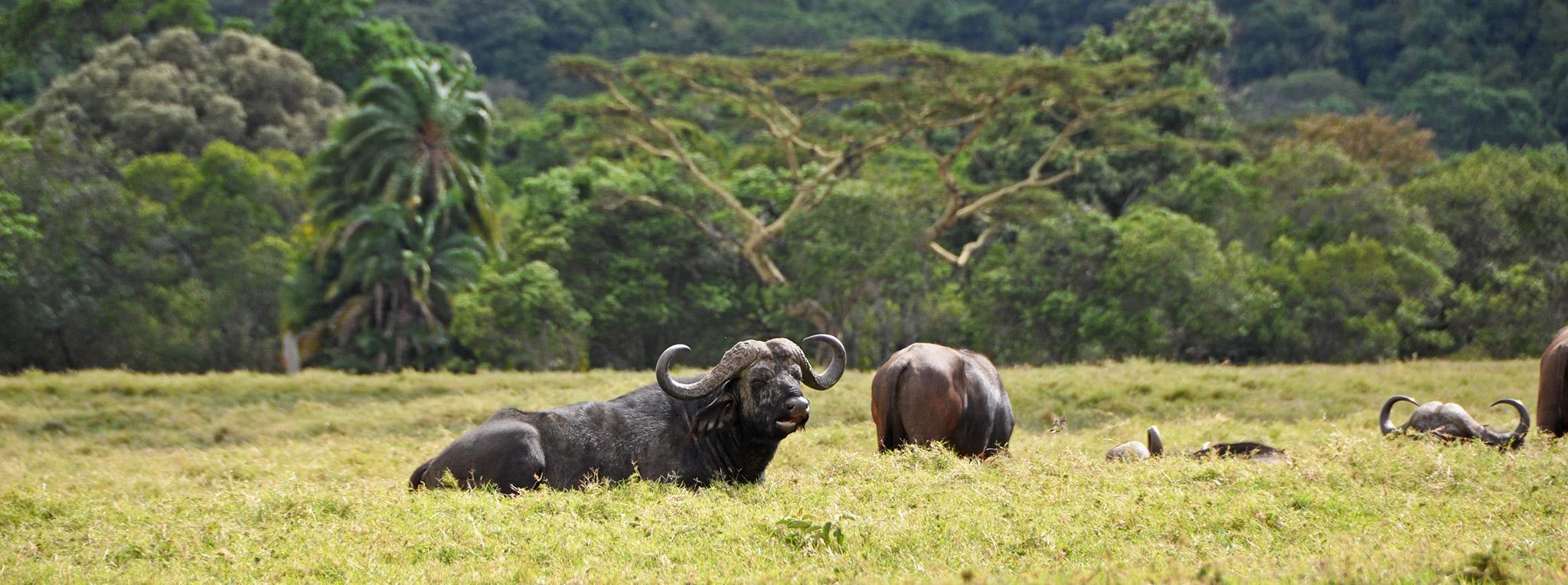
  • 🐃 Buffalo

Other Iconic Species

  • Cheetahs sprinting across open plains

  • Giraffes browsing acacia trees

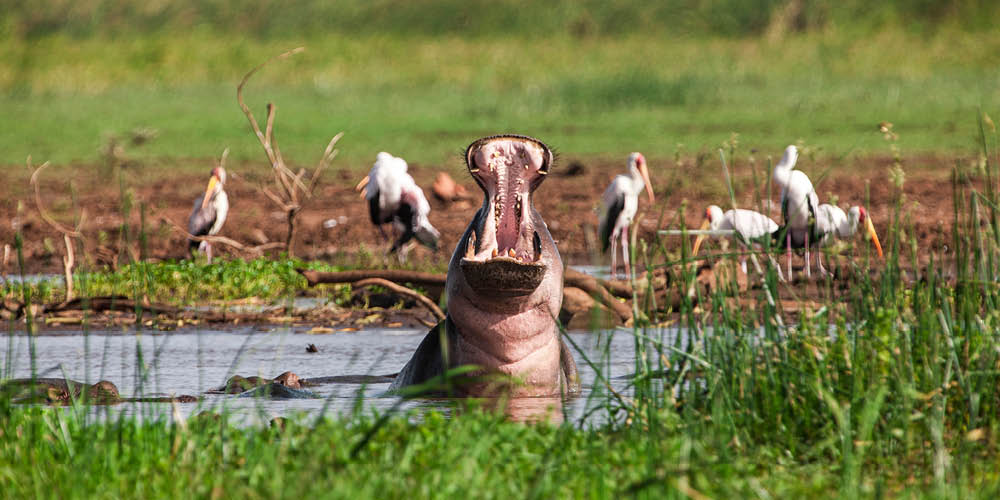
  • Hippos crowding muddy pools

  • Crocodiles lurking along riverbanks

  • Over 500 bird species, from eagles to flamingos

Best Time to Visit Serengeti National Park

One of the best things about Serengeti National Park is that there’s no wrong time to visit. Still, different seasons offer different experiences.

Dry Season (June to October)

  • Best overall wildlife viewing

  • Easier to spot animals near water

  • Peak season with higher demand

Green Season (November to May)

  • Fewer tourists

  • Lush, green landscapes

  • Baby animals and dramatic skies

  • Excellent birdwatching

Safari Experiences in Serengeti National Park

Not all safaris are created equal—and Serengeti gives you options.

Game Drive Safaris

Classic 4×4 safaris with expert guides who know exactly where the action is.

Hot Air Balloon Safaris

Float silently above the plains at sunrise, followed by a bush breakfast. Unforgettable? Absolutely.

Photographic Safaris

Perfect for shutterbugs chasing that once-in-a-lifetime shot.

Private Guided Safaris

Ideal for couples, families, or travelers wanting a personalized experience.